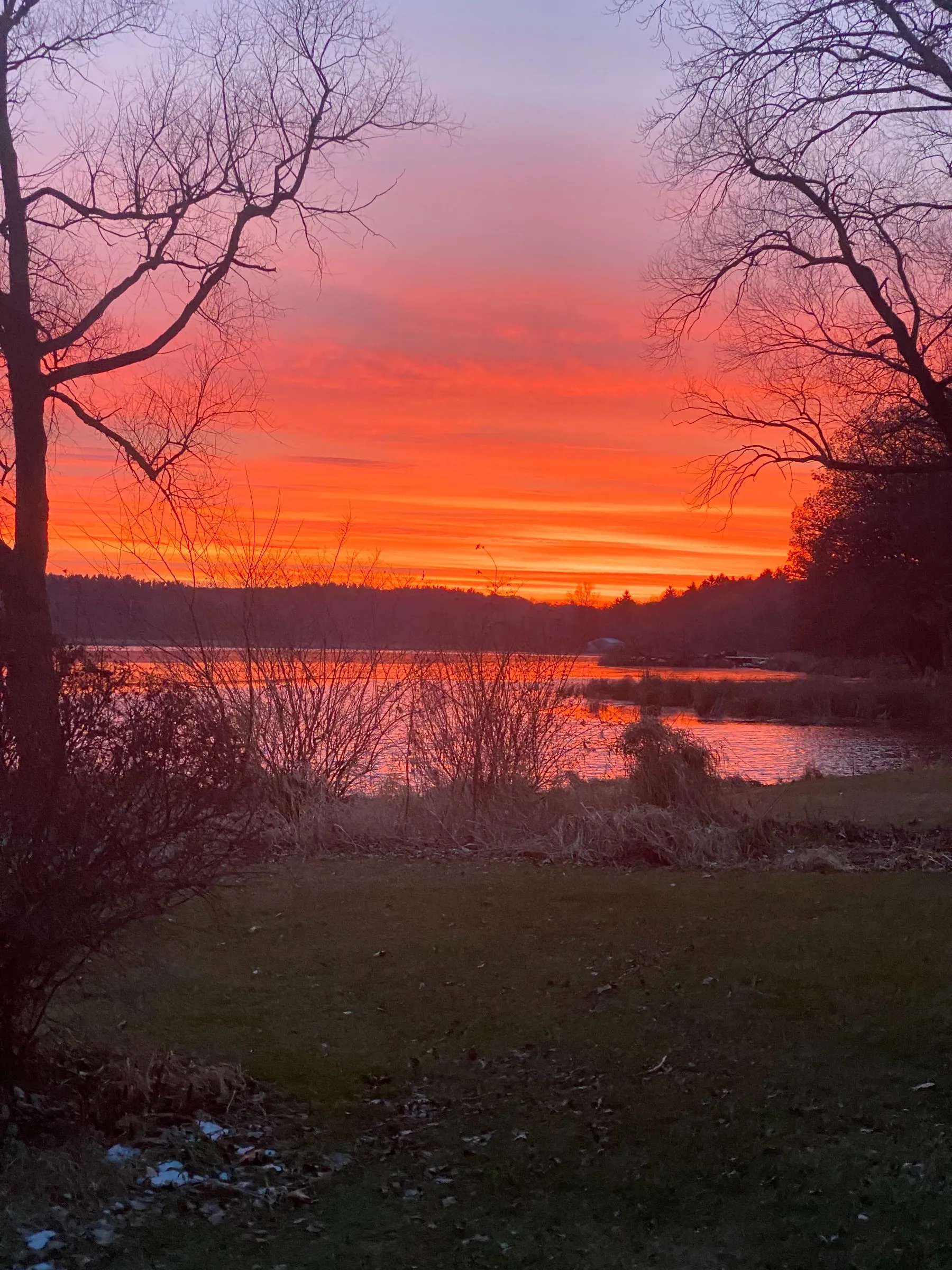
A legacy of still water, kept for what flies overhead.
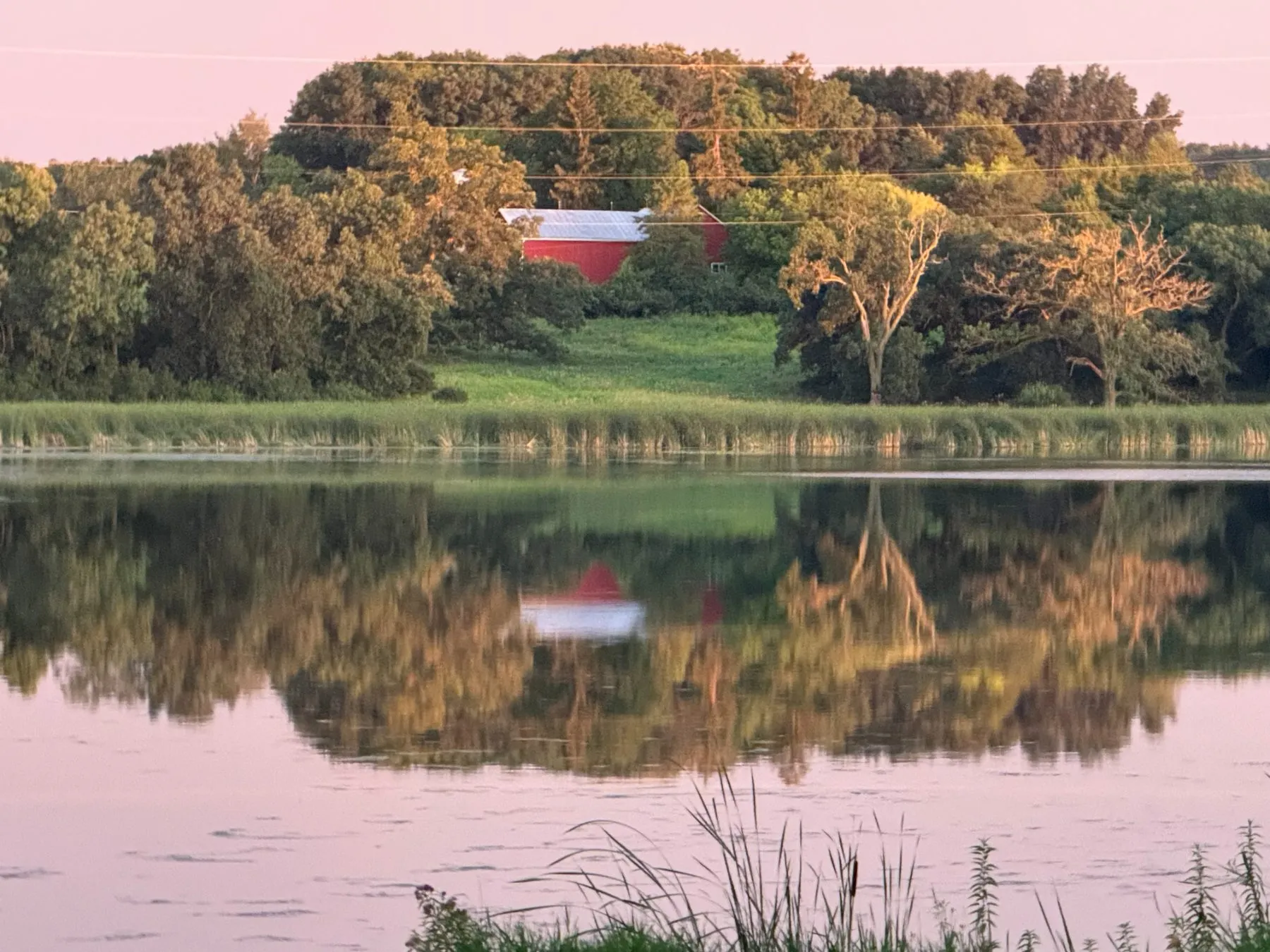
100 acres of open water on the Horicon Marsh flyway — protected by the families who live on it, for the migratory wildlife that pass through.
straight to the water. All-volunteer
501(c)(3) · Est. 2002
To safeguard the tranquil waters and shorelines of Twin Lakes as a legacy for future generations — maintaining a healthy ecosystem that supports the seasonal journey of migratory wildlife traveling the Horicon Marsh path.
On the path from Winnipeg to the Gulf.
Horicon Marsh is the largest freshwater cattail marsh in the United States — and Twin Lakes sits just to the north, directly on the approach. Each spring and autumn, hundreds of thousands of birds move between the marsh and their northern nesting grounds, using our open water to rest, feed, and stage the next leg.
The Horicon route
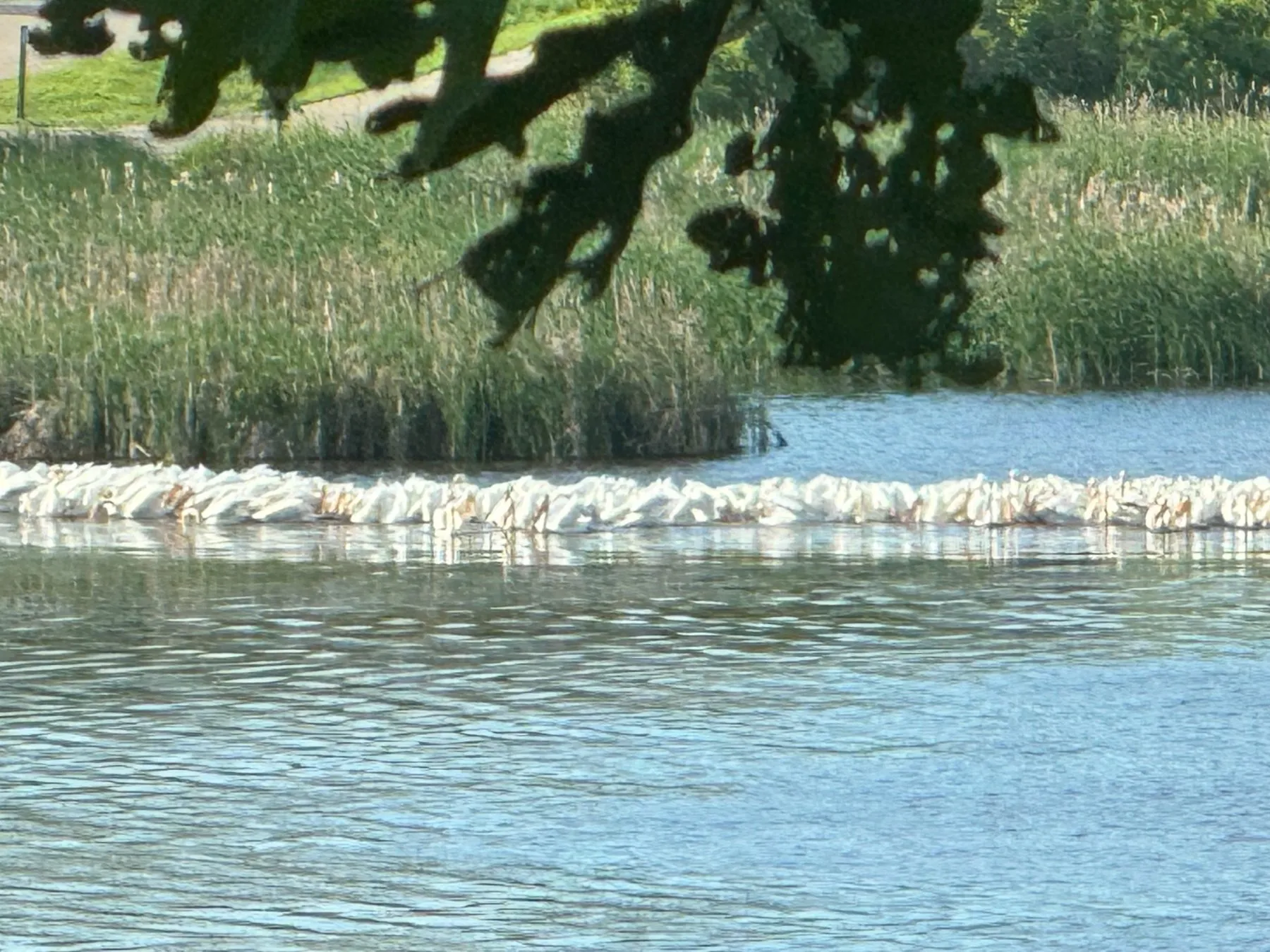
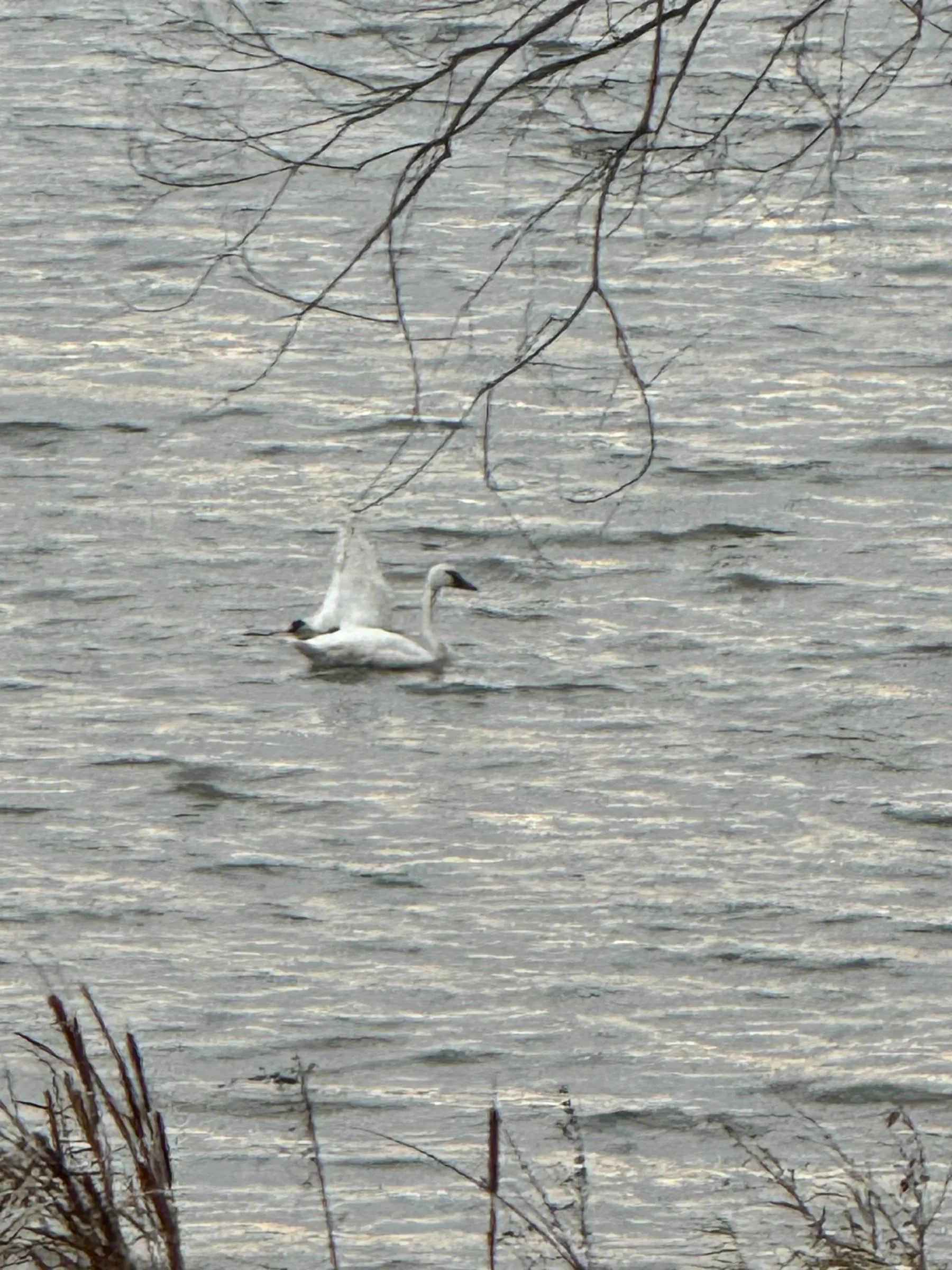
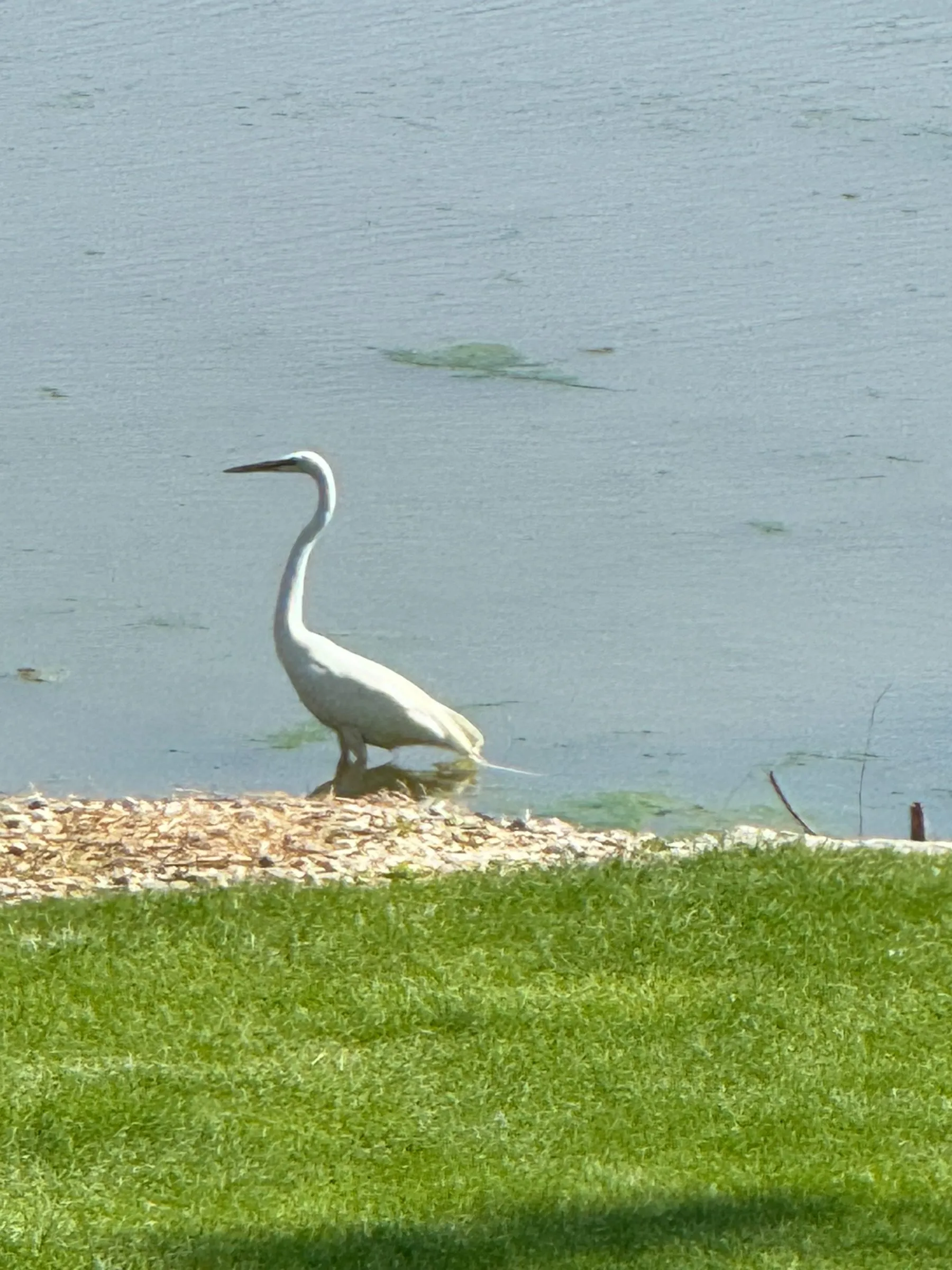
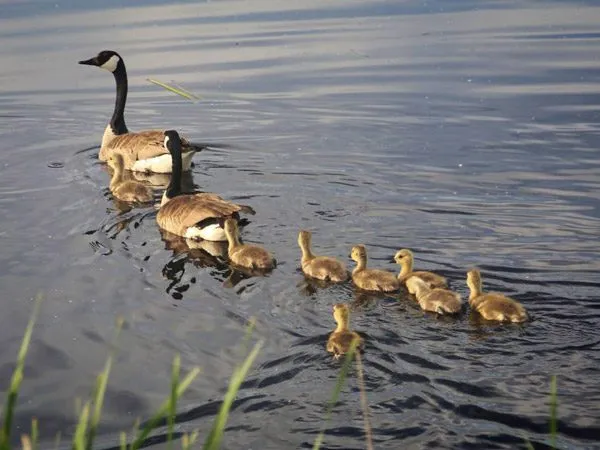
Sandhill cranes, tundra swans, snow geese, and white pelicans all stage on Twin Lakes before dropping into Horicon Marsh — the next stop on the corridor south.
Give the lakes another hundred years.
We are an all-volunteer conservancy — no salaries, no overhead creep. Every gift becomes on-the-ground work, measured in water-quality data and species counts, not press releases.
Support the watershed
The lakes cannot speak for themselves.
Foundations, eco-partners, and neighbors keep this water clean and this flyway open. Join them.
Make a gift today